
People usually don’t connect problems with self-esteem and identity in adulthood to trauma on their own. They talk about indecision. Chronic self-doubt. Trouble asserting themselves. Feeling unsure of who they are, along with what they want. They tend to describe these issues as personal weaknesses - personality flaws, so to speak. In therapy, those explanations rarely hold up because it becomes obvious that trauma shapes self-esteem. Most of the time, these patterns have a history. They didn’t appear randomly in adulthood. They formed early and became defense mechanisms because they helped the person function in an environment that required constant adjustment. What looks like a self-esteem problem now often began as a way to keep relationships stable or avoid harm.
How trauma forms without a single event
Many adults dismiss trauma because they can’t point to anything dramatic happening to them. There was no accident. No abuse they recognize as abuse. No clear before-and-after moment. Childhood may even be described as “fine” or “normal.”
That doesn’t rule trauma out. Trauma doesn’t include extreme situations only. Rather, it’s defined by repeated exposure to situations where expressing yourself felt unsafe, unwelcome, or risky. That can include:
● emotional neglect
● chronic criticism
● inconsistent caregiving
● households where conflict either exploded or was never allowed
It can also include environments where a child had to take on adult responsibilities early or monitor other people’s moods closely.
When these conditions repeat, children adapt. They learn what keeps things calm. They learn what creates problems. And they learn when to speak and when to stay quiet.
These lessons aren’t learned consciously. They’re learned through repetition. Over time, they become automatic.
How early adaptation becomes a long-term pattern
The problem with early adaptations is that they don’t expire on their own. The nervous system doesn’t check whether circumstances have changed. It keeps responding based on what worked before. Later on in life, this may show up as emotional reactions that feel out of proportion or hard to control. Minor feedback can feel threatening. Conflict can trigger avoidance, compliance, or shutdown. Some people struggle to access their emotions at all.
Trauma doesn’t live as a clear memory you can think through and resolve. It shows up as patterns in how you regulate emotion, how you relate to others, and how you evaluate yourself, causing issues in how you think about yourself and others. In some cases, mental health issues can lead to destructive patterns like isolation, risky choices, substance misuse, or addiction. When experiences aren’t processed, unresolved trauma can cause overwhelming pain that stays mostly internal. That pain influences how you cope, how you manage emotions, and how you judge your own worth. Many people handle it indirectly, through overworking, self-criticism, control, numbing behaviors, or constant distraction. These strategies help in the short term, but they also reinforce the underlying patterns.

The impact of trauma on self-esteem and identity in adulthood
Self-esteem develops through experience, not reassurance. It grows when a person is treated as someone whose needs matter, when mistakes don’t threaten the connection, and when approval isn’t conditional.
Trauma interferes with those experiences. If safety or acceptance depended on being useful, agreeable, competent, or emotionally contained, self-worth becomes conditional. The person learns that value has to be maintained.
This often shows up in adulthood as constant self-monitoring. There’s a sense of being evaluated even when no one is paying attention. Praise doesn’t settle. Rest feels uncomfortable. Mistakes feel costly. This isn’t simply low confidence. It’s unstable self-esteem that depends on external conditions.
How trauma affects identity development
Identity develops through exploration. Trying things. Being wrong. Changing your mind. Being seen without consequences. Now, when survival matters more than self-expression, identity takes a back seat. The person becomes what the environment requires. Responsible. Adaptable. Low-maintenance. Useful.
Those roles often continue into adulthood because they still work. They reduce conflict. They keep relationships intact.
But they don’t answer basic questions. What you want. What you value. And what feels meaningful.
Work on early trauma and attachment points to a similar pattern: ongoing stress in childhood can interfere with how people learn to read situations, manage emotional reactions, and feel secure with others. When those skills don’t have a chance to develop consistently, the sense of self that forms later is often shaky. Childhood trauma is also linked to more anxious or avoidant relationship patterns, lower self-regard, and difficulty forming a clear picture of who you are that can carry into adolescence and adulthood.

How relationships reinforce trauma-based identity
Trauma-related patterns show up most clearly in relationships. If your sense of self developed around monitoring others, relationships become the primary source of stability. Approval feels grounding. Distance or conflict feels destabilizing.
Some people cope by accommodating excessively. Others cope by avoiding closeness altogether. Both are attempts to manage uncertainty.
In either case, identity remains reactive. It changes based on context rather than internal continuity. That
instability feeds back into self-esteem and reinforces reliance on external feedback.
How trauma-informed work supports repair
Repair comes from building tolerance for internal experience - learning to notice reactions without immediately acting on them, and allowing needs and preferences to exist without justification.
In therapy, this often involves paying attention to moments where old patterns activate. Noticing the urge to explain, minimize, or self-correct. Staying with the discomfort long enough for something new to happen.
Over time, consistent experiences of being taken seriously and having boundaries respected create internal stability. Self-worth becomes less conditional. Identity becomes less role-based.
Not perfect. Just more stable.
Final thoughts
Trauma shapes self-esteem and identity in adulthood because adaptation was necessary early on. Those adaptations worked. That’s why they lasted. Understanding this doesn’t erase the impact. It changes how the patterns are interpreted. Instead of evidence of something wrong, they can be understood as responses to conditions that no longer exist. Many people find that shift is the first step toward meaningful change.
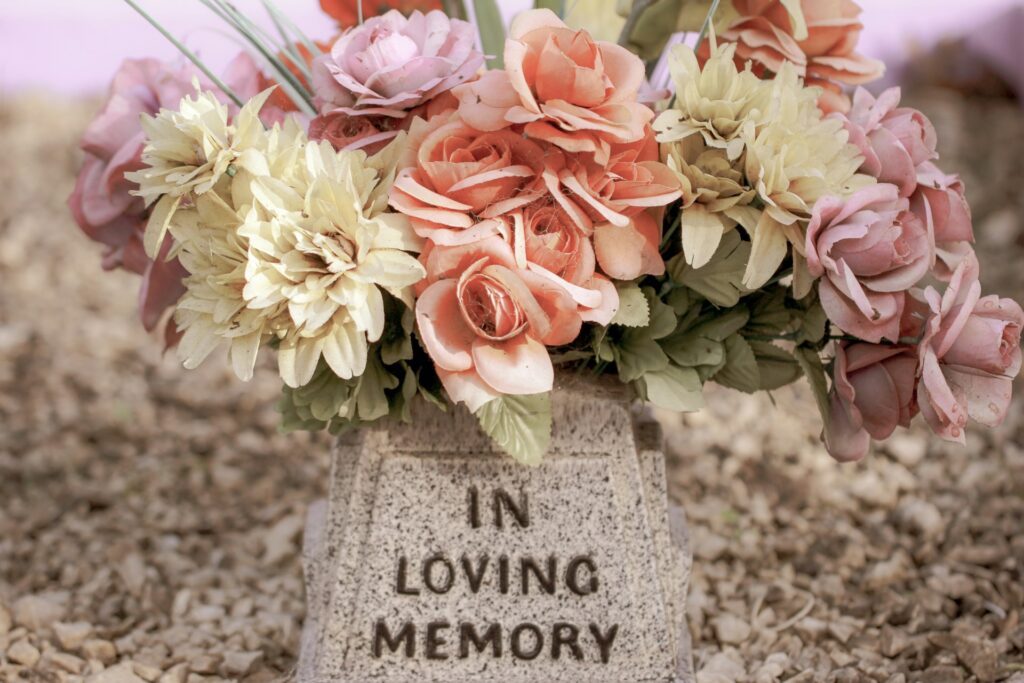
Grief changes everything. It slows the body, bends the mind, turns days into long corridors with no exit signs. People will reach for comfort in different ways. But – not every option brings substantial, healthy relief. Some might turn to food, some to silence, some to substances that cloud the pain rather than easing it. The process of preventing substance reliance in mourning means finding safer anchors while still allowing sorrow to move through your body and mind. The absence of one person shouldn’t result in the absence of ourselves.
Subtle Warnings
Grief often starts with numbness, and then the numbness demands filling. A glass of wine quickly becomes two. Sleep comes through medication, not real rest. These changes are initial indicators of substance use. They may seem minor at first, but in reality, they are early signs of substance use that families tend to overlook. That’s because relying on substances in grief is sometimes considered normal. What began as coping might harden into reliance. The trick is to notice patterns before they cement.
Warnings are usually hiding in plain sight. Prescriptions that run out weeks early. Excuses that sound thinner with each retelling. A loved one insists they’re doing fine, though their skin dulls and their energy fades. Watch out for these markers of a deeper struggle.
Friends as a Safety Net
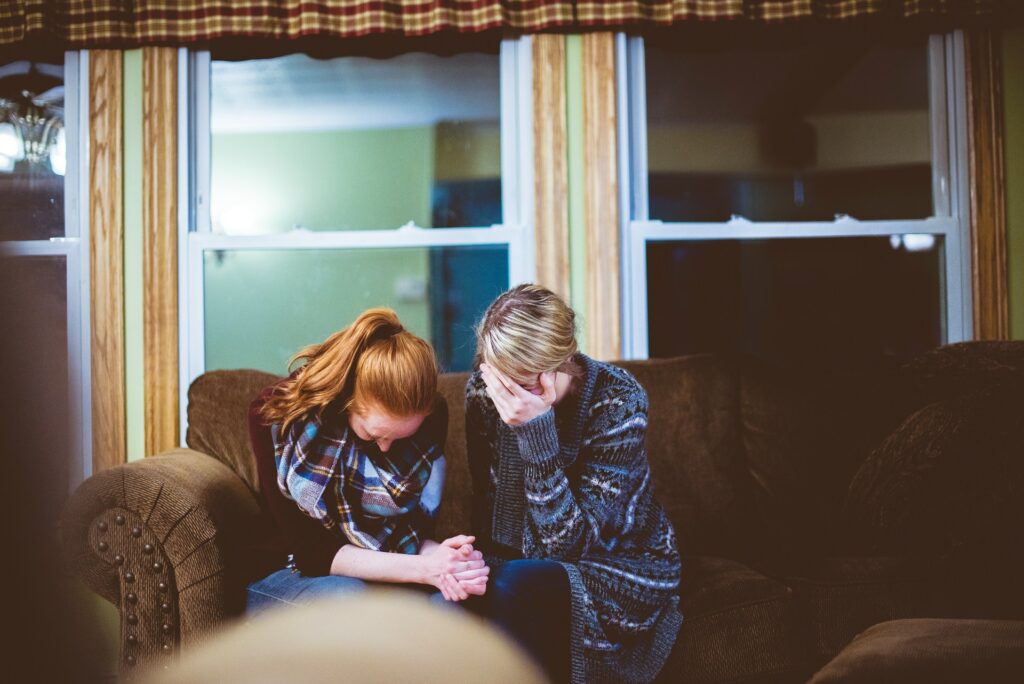
Some losses create silence inside the house. Friends can fill that silence with stories that will keep the memory alive. Leaning into trusted connections stops grief from looping inward. A shared walk, a call at midnight, even watching a bad TV movie together can put together a fragile mind. Friends carry us into the present when the past feels heavier than the body’s able to hold.
\Friends see what we can’t and can provide a different perspective and social support. They can notice the drop in appetite, the missed appointments, and the increasing distance from hobbies you used to enjoy. They remind us that life still asks for our participation.
There’s no perfection in friendship during grief. Some friends might say clumsy things. Others will offer silence that feels more like absence. Still, it’s the attempt that matters. Even a flawed presence can ground someone who feels unmoored.
Guidance Beyond Familiar Faces
There are days when friends don’t know what to say, or when their comfort feels thin. Professionals – therapists, counsellors, support groups for people in mourning – stand ready. They hold space for questions that might frighten or concern family members. Their guidance is there to shape grief into something less wild, less consuming.
Professional guidance offers much-needed structure to days spent in mourning. Therapy sessions create steady appointments that counter the drift of grief. Support groups or grief and loss counselling will replace isolation with shared recognition, reminding mourners they’re not alone or unique in their pain. Clinical care adds practical strategies – breathing exercises, journaling prompts, cognitive reframing –
that turn abstract emotions into manageable pieces.
The Unfiltered Voice
Emotions we leave to silence tend to ferment. Speaking them aloud – shame, anger, sadness – releases pressure before it’s turned into collapse. Some find it easier to write letters they’ll never send, or to scream in the car on the drive home. Others will talk through tears with someone who listens without judgment. Grief demands air. Holding it back stiffens the body and sharpens the pain. Expressing it keeps the system from shutting down.
Words act as safety valves. Journals capture thoughts too jagged for conversation. Recordings on a phone preserve confessions meant for no one’s ears but our own. A painting, a song, or even an angry rant in the shower becomes testimony to what the body refuses to carry alone.
Families can sometimes resist this openness. They might urge mourners to be strong. Yet strength is a myth if defined by silence. Releasing emotion, in raw form, reclaims power. It ensures grief doesn’t calcify inside the chest.

The Shape of Rituals
People have always used rituals to survive loss. Lighting a candle every morning, cooking the favorite meal of the one gone, or setting aside a song for Sunday afternoons – each action anchors memory in a repeatable form. Rituals are a fundamental part of the human experience; among other things, they structure grief. With structure, sorrow feels less formless, less endless.
Rituals also carry culture. They connect us to generations that came before, reminding us that mourning is shared across time; nothing new under the sun. That connection provides reassurance that grief is survivable because others have already walked the path. Rituals are reliable ways of preventing substance reliance in mourning.
The Body Remembers Too
The mind spirals in mourning, but the body needs equal attention. Eating food that sustains energy, sleeping enough hours, and moving in simple routines prevent the body from collapsing under the weight of loss. A healthy body can also steady the grieving mind. Without it, sadness deepens into illness.
A mourner who skips meals loses the energy they need to handle emotional storms. Sleep deprivation will only magnify sadness and might lead to despair. Ignoring physical needs reduces resilience. This kind of personal neglect will leave the person more vulnerable to unhealthy coping.
In grief, acts of self-care may feel a little trivial. However, drinking water, stepping into a shower, brushing teeth – these signal continuity of life. They serve as reminders that the body still belongs to us, even when the heart feels broken.
Air and Motion
Stepping outside resets perspective. Fresh air clears thoughts, and exercise releases tension. Walking a park path, stretching in the yard, or biking through quiet streets turns grief into motion instead of stasis. The body in motion keeps the mind from becoming locked in a single story of loss. And somewhere on the path, breath somehow feels easier again.
Exercise need not be intense. A slow walk around the block might be enough. Gardening places hands in soil, reminding us of cycles larger than our individual lives. Even standing under the clear open sky, breathing deeply for minutes at a time, will restore balance.
The outdoors also reconnects us with community, one of the oldest defense mechanisms out there. Neighbors wave. Children laugh in playgrounds. Strangers walk dogs past us. These fragments of normal life weave back into our perception. They’re showing us that continuity exists beyond grief.
Holding Steady
Grief is heavy, but it doesn’t necessarily have to drag someone into dependency. The real work lies in weaving support, ritual, and movement into daily life. It lies in staying alert to signals that something else, something unhealthy, is taking over. Preventing substance reliance in mourning is also giving grief its time without letting it consume every part of existence. In that balance, memory remains intact, and life,
though altered, continues forward, as it should.