
Let’s face it-the COVID 19 pandemic was something that most could have not imagined, let alone prepared for. Life as we knew it was immediately turned upside down. While there were many losses incurred, none seemed to compare to the families who lost loved ones to COVID-19. As a society, we were called on to do everything we could to prevent this from happening. This resulted in losing our way of life as we knew it and disenfranchised grief.
Disenfranchised grief is defined as experiencing grief and loss that is not readily recognized by a person, group of people, or society as a whole. The symptoms of grief are the same-experiencing shock, sadness, guilt, regret, anger, fear-however disenfranchised grief makes the process of grieving more challenging due to the lack of validation, social support, and rituals that are often associated with grief. This can induce feelings of isolation and powerlessness, leaving one to feel helpless to reducing their own pain and struggle.
“But we were all going through the COVID-19 pandemic together,” you think. “Doesn’t this count for something?” While we can cite many examples of people making the best of a difficult situation during the pandemic, the undertone has always remained the same-our loss pales in comparison to the loss of human life. The time we lost with loved ones, the loss of our routines, missing graduations, homecoming, sports, weddings, travel plans, holiday traditions, and in general life as we knew it-these losses were expected of us to protect the greater good of human life. We told ourselves, “Those who lost loved one’s to COVID-19; THOSE are the people who are struggling.”
I am here to remind you that everyone’s grief matters. Loss in any form deserves to be validated, acknowledged, and processed. Symptoms of grief are not to be taken lightly, as left unattended can lead to depression, anxiety, and other mental health challenges. It does not serve us to minimize, separate, or compare our losses.
So, what can we do to cope with our disenfranchised grief?

- Acknowledge and validate your loss. Hopefully this article started you on your journey of awareness in understanding that your loss MATTERS, regardless of the messages you have gotten from others, society, and yourself. Remind yourself that you are worthy of the time and space to grieve your loss.
- Begin to get to the root of your grief. When dealing with grief, what you don’t address will ultimately address you. Avoid the urge to suppress your grief and hope it goes away; unresolved feelings have a tendency to resurface later on.
- Write! Writing can be a therapeutic tool to uncover suppressed emotions. There are many writing prompts available online for coping with grief and loss. Do so slowly and with self-compassion, going at a pace that feels right to you.
- Make your own grieving ritual. Part of the challenge of coping with disenfranchised grief is that there are no clear rituals to honor and provide closure for the grief experienced. Rituals will vary from person to person; however, it may help to pick a place that has emotional significance where you can spend time to honor what was lost.
- Find support. If there is a name for it, someone has experienced it. Seek out friends and family members that have experienced similar losses, or that you feel are supportive. Consider what you need from others and ask for it. As always, seeking professional help is recommended, as this individual is trained to guide you through this challenging process.
With the holidays looming near, we often feel overwhelmed in a variety of ways. This time of year can often bring added feelings of anxiety, stress, and depression. It seems like there is always something to do between gatherings, shopping, and preparing for our own festivities, and little time to focus on our own mental health needs. Family may be coming from out of town, or maybe you’re hosting your friends for dinner. The holidays can be stressful enough without the added pressure of wanting your home to look it’s best, while also preparing for everything else the holidays entail.
If you’re feeling overwhelmed and like there is too much to do, and not enough time to do it, getting organized and cleaning out can help you to feel calmer, and more in control this holiday season. Here are 5 ways to clean out and tidy up your home before the holidays.
- Make a Cleaning To-Do List
Making lists is one of the best ways to start to organize your life and feel like you have a handle on all that you need to do. Make a list of the rooms/areas that need cleaning (kitchen, bathrooms, baseboards, etc.), and feel the satisfaction and release of stress as each item gets checked off!
- Make Room for New Toys
If you have children, you know that while the holidays are a time of magic, they can also be a time of stressful thoughts wondering where exactly you are going to put all of the new gifts your children receive. Prior to the holiday, have your kids choose toys they no longer want or need. This way, you can donate those items to children and families in need, while also making room for new toys. This is the perfect time to also go through arts & crafts supplies and get rid of any old markers or crayons and any other broken toys before the holiday season.
- Clean Out and Organize Closets
Along with toys, the holidays are a time where we often receive new clothes. Take this time to go through your closets and donate any clothes, shoes, or coats that are in good shape but your family has outgrown. Organizing your closets will help you to better utilize space, as well as make room for new items.
- Clean Out Pantry, Refrigerator and Freezer
The holidays are a time for quality family time, cooking, and baking. Make room for meals/leftovers by cleaning out your refrigerator and freezer prior to any baking nights and the holidays. In addition, cleaning out your pantry will help prepare for any baking endeavors by ensuring you don’t buy ingredients you already have, or thinking you have something you don’t.
- Ask for Help
While the holidays can be an extremely stressful time, there are ways to manage it. Reach out to family and friends and ask for help. If you have children, a spouse, or other family that lives with you, assign tasks from your cleaning list. Remember to prioritize your needs and your own mental health. Take time for yourself, slow down, and enjoy the holiday magic!
Depression is a challenging mental health diagnosis, to say the least. It is a complex mental health disorder and disease of the brain, occurring when certain brain chemicals become imbalanced. Depression has social, psychological, and biological origins, and can be triggered by many factors, including stressful life events, genetics, illness, and more. Due to the complex nature of what causes depression, it can take an equally complex, multi-faceted approach to manage this disorder. Keep reading to learn how to combat depression in New York.
One of the challenges in managing depression is that hopelessness, lack of motivation, and lack of energy are symptoms of the disorder that make it difficult to do the things that will help control your symptoms. Also, there is often a delay in improvement due to the apathy experienced by depressives that makes it feel as if what you are doing is not paying off; making you want to quit before these coping skills can take effect. Please read the following tips to combat depression in New York with this in mind. Start small and keep going, despite your brain telling you that what you are doing is not paying off. That is the depression talking. The following tips are scientifically proven to help to manage depression:
1. Stay Active.
When you have depression, energy levels can drop drastically. However, last thing you want to do when you are depressed is to remain inactive. It's scientifically proven that physical activity fights depression. Exercising increases the neuro-plasticity of your brain releases neurochemicals called endorphins, which help to elevate mood. Start small; get your heart rate up 10 minutes a day, then work your way up to 20 minutes. Do your best to get out of the house; take a walk, find somewhere scenic, park, beach, nature trails, or just around the block. Any bit counts!
Do your best to maintain a routine. Sleeping too much or too little, skipping meals or exercise, and neglecting your personal needs all feed into and exacerbate depression, so combatting this with a daily routine that addresses these needs can be extremely beneficial. Start by giving yourself 3 MUSTS to do during the day, such as taking a walk, engaging in one act of self-care, and calling a friend. Do this consistently for a week, then add one item to your routine each week, and before you know it you will have built a routine with healthy habits to keep your depression at bay.
2. Stay Connected.
When depressed, you may experience negative thoughts telling you to isolate and not burden others with your problems. Try not to listen to these thoughts! They are a symptom of the hopelessness of depression not based in reality. Giving voice to your struggles to another person can lighten your burden and start to turn the tides of depression. Instead of being a burden, your friend or loved one will most likely be flattered that you trust them enough to confide in them.
Try to move beyond small talk. In order to develop a connection that will ease your loneliness and depression, it helps to take a risk and truly open up. Sticking to small talk and limiting yourself to a surface connection with others might actually make you feel even lonelier. Open up about what you’re going through, the feelings you’re experiencing.
If this seems too much, even the simple act of putting yourself in a social atmosphere can alleviate depressive symptoms. Try going to a place where there are people who may have similar interests as you, or even to a public spot like a museum, park, or mall, where you could enjoy being amongst people and feel a sense of connection.
3. Worry Less.
This is easier said than done. Worries are completely normal, but can become problematic when persistent and pervasive. Excessive worrying can hurt your well-being and lead to a state of chronic anxiety or stress, which if left untreated can lead to depression.
Stopping worrying involves confronting our beliefs, values, and emotions. Explore the origins of your worry, take constructive action when you are able, and accept what is outside of your control. Investigating your worries can be a helpful way to put these thoughts into their proper perspective. Observe your thoughts as an outsider-what would a friend or relative tell me in this situation? Am I being irrational? Is there evidence to combat my worry?
Bottom line: Don’t believe everything you think!
4. Be Mindful.
Mindfulness is the practice of purposely bringing your attention in the present moment without judgment. This can be beneficial in managing in depression by learning to detach and distance yourself from depressive thoughts. Mindfulness can help you realize that depression-fueled thoughts are just thoughts and not facts. Becoming emotionally attached to these thoughts is them often triggers negative thought spirals, not the thoughts themselves. One exercise that can assist with this is called “thought detachment,” where you imagine your thoughts are drifting clouds or leaves floating by while you practice not engaging them or becoming attached to them.
Also, instead of actively suppressing or resisting depressive thoughts, which may worsen symptoms, try to accept them. Acceptance does not mean resigning or giving up, it means acknowledging the feelings or thoughts are present, and letting go of things outside of your control. Research suggests that practicing acceptance can help improve symptoms of depression, quality of life, and ability to function.
5. Find Positives.
Depression can make things seem even worse than they really are. When you’re depressed, everything is filtered through a lens of negativity. By recognizes this, you can start to change your perspective to a more positive viewpoint.
Find simple sources of joy. A symptom of depression is anhedonia, which means you do not find pleasure in activities you normally found pleasurable. However, push yourself to do things that will boost your mood throughout day. Listening to uplifting music, watching funny television shows or videos, spending time with your pet, or being out in nature are some simple examples of joy-boosting activities.
Find one thing to be grateful for. When you’re depressed, especially at this awful time, it can seem that everything in life is bleak and hopeless. But even in the darkest days, it’s usually possible to find one thing you can be grateful about. It sounds cheesy but acknowledging your gratitude can provide relief from negative thinking and break the negative cycle of depression.
6. Self-Care.
Self-care can be difficult when you are depressed, because of the lack of energy, motivation and feeling unworthy of deserving anything positive that often accompany depression. Start by aiming for small goals like getting up out of bed, getting in the shower, sitting in a different room, and getting some sunlight or fresh air.
Pay attention to your senses. Take the time to see, feel, hear, taste and touch. Things like getting out in the sun, listening to music, getting a hug or eating tasty foods all help to soothe you. Activities that appeal to the senses boost frontal lobe functioning, which is helpful in combatting depression
With all of these suggestions, remember there is no “quick fix.” It may take weeks of developing a routine with the items listed before you start to feel better. However, if practiced regularly, it is scientifically proven that you will feel better with your depressive symptoms. If you feel you need additional support in managing your depression in New York, contact our office, we'd love to help you on your road to recovery.
Sometimes we convince ourselves that taking time to recharge is a luxury we can’t afford. However that is not true. Whether we can proactively allot an hour a day for ourselves or we have an unplanned ten minute gap between two meetings, we have time to take for ourselves. In this article we will take a look at how to prioritize self care.
Regardless of which group you belong to, you can use your time to reconnect with old friends, take some time outside or anything that will leave you feeling more centered. An important thing to keep in mind when it comes to using our downtime wisely is to make sure that whatever we are doing during our break increases our sense of wellbeing. With all the social media platforms, we may automatically go to our newsfeed and mindlessly scroll during unplanned free time. However, we may notice that after we’ve gotten lost in social media posts we don’t feel any more rejuvenated than when we started. This tells us that we didn’t use our time as wisely as we would have liked.
A lot of times we believe we are important if we are busy, especially important if we are unbelievably busy. We forget to remind ourselves that busyness often leads to stress and dissatisfaction with our lives. This is why we value time off from work and vacation so highly because those are times when we are either not busy or significantly less busy. It is time we can take to slow down and reset.
It can be helpful to sit down and make a list of things we want to have more of in our lives so when we get a block of free time, no matter how long it is or if it is planned or unplanned, we have an idea of how to feel more recharged after that time rather than getting lost in a social media newsfeed. So my challenge for you is to sit down at some point in the next week and make a list of things that bring you joy and have it saved in your phone or keep a copy in your wallet so next time you get a surprise 10 minute break, you can use it wisely.
If you are unsure of how to start, here are a few ideas to get your self-care going:
- Make a list of old friends or family you have fallen out of touch with. Next time you have a few minutes, send them a text or give them a call to set up a time to have dinner or meet for coffee to catch up.
- If you enjoy getting some sun, maybe take a walk around the block or sit outside for a few minutes.
- Make a Spotify playlist of songs that remind you of good times in your life.
- Keep options of your favorite drink nearby & make yourself a cup of your favorite tea or coffee next time you have a few minutes.
- Get yourself a gift card to a nearby bakery or shop that has snacks you enjoy.
- Breathe. Sometimes simply doing nothing can be the most rewarding thing. Close your eyes and take 5 deep breaths while thinking of nothing but the feeling of inhaling & exhaling. Try to count one breath at a time from 1-5, anytime your mind wanders, start over again at 1 until you can reach 5 without wandering off, (Even if you have to restart 5 times, this will likely take you less than a minute).
You Deserve to be a Priority
No one wins the game where the busiest, most stressed person gets a medal. Life is not one great big emergency, chronically not taking care of yourself is. Self-care is not selfish. If you find yourself struggling with separation busyness from importance, remind yourself that you are important regardless and can prove it to yourself by prioritizing time for you to recharge & reset so you can conquer what lies ahead of you. If you feel you need additional support in reducing your stress and figuring out your life goals, give our office a call.
Mindfulness practices have gained more popularity in recent years. When we think of mindfulness a lot of us may think of yoga or deep meditations in a forest somewhere. These are both wonderful practices but may not resonate with everyone. Mindfulness is the practice of doing one thing, with your full attention, at a time. When we allow ourselves to focus solely on one thing and permit ourselves to be in the present moment, we give ourselves the opportunity to be fully engaged in the here and now moment rather than having one foot in the present and the other in whatever our mind is thinking about. This can sound challenging at first but with effort, we can give ourselves the tools to enhance our concentration, decrease our stress and fully attune to what is going on around us.
Where to Start?
A great way to begin our foundational for mindfulness is to start by focusing on one thing, any one thing. In reality, this can be difficult since we are socially programmed to maximize every second by multitasking as much as possible. This means pursuing mindfulness can be challenging. It’s okay. There are no expectations and just like anything, it will take time, dedication and practice to hone your skills. To prevent from becoming frustrated or judging ourselves for struggling at first, we can encourage ourselves to show ourselves compassion and gratitude for trying something new to improve our well-being. If we begin a mindfulness practice, anything from driving our car to focusing on our breath, and we notice our mind is wandering elsewhere, we can gently recognize it and redirect ourselves back to the focus of our practice in the present moment. We can do this each time we have noticed our mind has wandered and by redirecting it each time, we are reminding ourselves that we have control over our thoughts and are capable of overcoming distractions.
Each person is different so naturally, how we start may be different as well. One person may pick mindfully listening to a song while another may choose to mindfully drink a beverage while another may decide to mindfully focus on their breath. There is no wrong way to practice mindfulness as long as you are staying engaged in the present moment and bringing yourself back whenever you notice your mind has wandered.
Benefits of Mindfulness
Staying present can have wonderful benefits, it can reduce our stress, enhance our concentration and improve our sleep. This is because when we allow our minds to buzz about from topic to topic, stressor to stressor we are actually putting ourselves through that stress twice. If something is truly going to be challenging, then it will be challenging whether we perseverate about it or not so when we focus on how difficult it will be we are ensuring we will struggle both times. By honing our mindfulness skills, we allow ourselves to be engaged and focused in the present and give ourselves room to enjoy what is in front of us. Mindfulness can be a wonderful tool for those struggling with anxiety, emotional dysregulation due to trauma reminders, relationship stressors and a myriad of other challenges. If you feel this is something you are struggling, please reach out so we can enhance your mindfulness practice together.
We all give and receive love differently. This makes connecting with a partner, friend or family member with a different love language challenging if we do not realize what our different love languages are. In 1992, Gary Chapman wrote The Five Love Languages: How To Express Heartfelt Commitment to Your Mate, where he outlines each form that we can give or receive love and affection from meaningful people in our lives. You can have more than one love language and most likely identify with each, however we all express love primarily through one of the five languages of love below. By understanding our love language and that of those around us, we can begin to develop a map of how to enhance or maintain our connection to important people in our lives.
1. Quality Time.
People with this love language give and show love by simply spending time around people they care about. The activity is not necessarily important as long as it has meaning and they receive their loved one’s undivided attention.
2. Words of Affirmation.
People who resonate with words of affirmation display and receive love through words and verbal validation. Anything from notes, loving texts or verbal appreciation during a conversation mean the most to individuals who value words of affirmation.
3. Acts of Service.
Others understand love as actions for those they care about. This can be anything from helping with chores to preparing a meal. The love is in the act of doing for someone else.
4. Physical Touch.
Physical touch can be anything related to physical intimacy. Those who express love through physical touch want to be physically close to the ones they love and be affectionate physically.
5. Gifts.
Finally, others express love through gift giving or gift receiving. For individuals with this love language, gifts are tokens that they are present in their loved one’s hearts and minds.
What Does It Mean?
Not all people who are close have the same love language. It is possible for individuals in a relationship to express and receive love differently than their partners which is why it is imperative to acknowledge and participate in each partner’s love language so each person’s needs are acknowledged and validated in order to sustain a lasting relationship. This is part of the natural give and take of every healthy, meaningful relationship. It takes time and attention to become aware of our love language and that of those in our lives to enhance and maintain our connection to our loved ones. If you feel you are struggling with feeling connected to those in your life, please call our office so we can explore ways for you to navigate the path of felt connection.
A traumatic event is an occurrence that overwhelms our stress response system. When we endure trauma from someone close to us we can develop a trauma bond, especially when we experience trauma repeatedly by an attachment figure. A trauma bond occurs when the abused develops sympathy or affection towards their abuser. This can happen over any time period and rarely, if ever, develops into a healthy relationship. A trauma bond can cause the abused to experience guilt, confusion and self-judgment when analyzing their feelings towards their abuser, however this type of bond, while unhealthy, can originate from a protective place in the abused person.
How Trauma Bonding Occurs from Our Fight, Flight Or Freeze Response
Our brains have a survival response system, often referred to as the “Fight, Flight or Freeze” response. The body can activate this response system if our brains detect danger and turn on different pathways to get us out of the dangerous situation safely. This is the same response system that is responsible for the increase in adrenaline we experience after we hear an unexpected loud noise or are startled. It is our “Fight, Flight or Freeze” response system has allowed our species to survive for as long as we have and it is this system that becomes activated when we experience trauma.
Survivors who endure abuse from their loved ones, especially their parents as children or their partners as adults, go through an extremely complicated process to try to make sense of their relationship with the abuser. In an effort to allow the survivor to be able to function with their abuser the brain may turn on protective defense mechanisms in the form of dissociation, forgetting or minimizing abuse or even to take responsibility if the abuse with an attachment figure. For example, it would be extremely difficult for a child to function with the knowledge that they have to rely on the same person who is mistreating them so the brain may “try to make sense” of the abuse by using one of the above tactics to allow the child to still function with their abuser day to day. This is not the say that abuse is therefore alright. It is not and no one deserves to be mistreated or abused.
What This Does Not Say About The Survivor
- That the abuse did not happen.
- That they want the abuse to happen.
- That they deserve abuse.
- That there is something “wrong” with them.
What This Means
Forming a trauma bond with an abuser does not mean there is something wrong with the survivor but rather speaks to the survivor’s ability to survive in a dangerous, unpredictable environment. No one deserves to be in a dangerous, unstable relationship or environment. If you feel you may have this type of attachment to a person who has made you feel unsafe, please call our office to work through your emotions related to trauma bonding to enhance self-compassion and secure safety for current and future relationships.
5 MYTHS ABOUT DEPRESSION
As with most mental health diagnoses, there is a significant amount of misinformation that is circulating among the general public. Centuries ago, individuals with mental health issues were looked down upon by society, thought to be of weak moral character, purposefully deviant or difficult, or possessed by evil spirits. Although we have come a long way in combating the stigma surrounding mental health challenges, many falsehoods remain. Here are five common myths about depression that make it difficult for individuals to understand and treat this diagnosis.
MYTH #1: DEPRESSION ISN’T REAL

Many people believe that depression is synonymous with sadness, or perhaps even weakness of character. However, this is far from the truth. Depression is a complex mental health disorder; a disease of the brain.
There is typically not one cause of depression. Depression has social, psychological, and biological origins. Depression can occur when certain brain chemicals become imbalanced. Many factors in conjunction with one another, including genes, stressful life events, illness, and medicines, can cause this imbalance. Depression is a medical condition as real as any other.
MYTH #2: DEPRESSION OCCURS BECAUSE OF A SAD SITUATION
Depression and sadness are not interchangeable. Everyone experiences sad thoughts or unhappiness sometimes. For example, you may feel upset following the death of a loved one or the end of a relationship. Although events like these can raise your risk of developing depression, depression isn’t always caused by a negative incident.
Depression has a number of causes and triggers that vary from person to person. Sometimes the cause is unknown. Depression can arise suddenly and without warning, even when the external factors of your life are going well.
MYTH #3: YOU CAN “SNAP OUT” OF YOUR DEPRESSION:
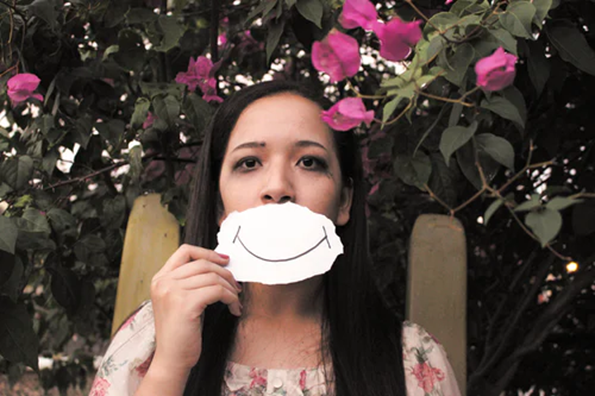
Depression is a disease. It is a problem with brain chemistry, not character. Someone can't force themselves to “snap out of it” any more than you can make asthma or a heart attack go away.
No one chooses to be depressed. Depression isn’t a sign of self-pity, weakness, or laziness. It is a medical condition in which your brain chemistry, function, and structure are negatively affected by environmental and biological factors.
MYTH #4: DEPRESSION WILL GET BETTER ON ITS OWN

Depression is a biological disease that requires treatment. The same way you would not expect someone with any other medical disease to just “wait it out” and hope things get better is the same way depression needs to be viewed.
Without proper treatment, depression can last for months or even years. It is next to impossible to recover from this illness on your own. Debunking the myths and stigma that surround mental illness is critical to allow individuals that are struggling to have the courage to seek help.
MYTH #5: IF YOU TAKE ANTIDEPRESSANTS, YOU WILL HAVE TO BE ON THEM FOR THE REST OF YOUR LIFE

Antidepressants provide a long-term treatment option for many people with depression. However, the length of time that you’re advised to take them can vary based on the severity of your depression and your prescribed treatment plan.
You may not need to take antidepressants for the rest of your life. In many cases, your doctor may prescribe psychotherapy along with medication. Therapy can help you learn new ways of coping with life challenges and may lessen your need for medication over time.
If you or a loved one may be suffering from depression, reach out to a mental health or medical professional as soon as possible. There is treatment for depression available, and by breaking the stigma through education, we are that much closer to creating a culture where it is that much easier to get help.
Rest and relaxation is a large piece of self-care needed to keep our mental health in check. The saying “you can’t help others unless you help yourself” is really true. We need to restore ourselves and fill our cups before we can take care of those around us. But for many “resting” can seem like a luxury or even uncomfortable. This post is a reminder of the many different ways we can “rest” and restore our mental wellbeing.
1. Physical
Physical rest can be as simple as getting adequate sleep. It can also mean taking a nap, engaging in yoga or even just taking a few deep breathes. Rest does not have a time requirement. Sometimes all we need is just 5 minutes to focus on our breath or do some stretching to re-center ourselves.
2. Mental
Mental rest is like first aide for your mind. This includes meditation- silent or guided your choice. It can also be listening to calming music or your favorite music. Mental rest can also be writing down or looking up some positive affirmations to keep your self in a good mental state.
3. Emotional
Emotional rest means to allow yourself to really explore and work through your emotions. You know by allowing yourself to feel, rather than bottling it up and pushing them aside. This could be by calling a friend, speaking with a therapist or attending a support group.
4. Social
A rest can also mean taking some time to be social. A social rest is when you let go of work and everyday chores and worries and going to someone who brightens your day. This can be a friend, mentor or non-stressful family member.
5. Creative
Creative rest is another way to take a mental break. For you creative people this is engaging in art, crochet, macramé, knitting, writing poetry and/or stories. For those who don’t identify as creative this can be reading, walking in nature or looking at artwork.
6. Sensory
A sensory rest means taking a break from the things causing us sensory over-load or anxiety. This can mean shutting your phone off or taking a break from watching the news.
7. Spiritual
Reconnecting with your spirituality is another form of taking a rest. This can be in the form of prayer, reading scripture or volunteering your time to help others.
If you feel you need more help to restore your mental wellbeing and start enjoying your life give our office a call. We'd love to help you.
Stay Shining,
I often hear form clients frustration about so many things beyond their control. Believe me, I am also frequently annoyed at things beyond my control. But knowing what things are within and out of our control can help us to feel more in control. Sounds strange but I promise it’s true.
What Happens When we Focus on Things Outside of Our Control?
When we get fixated on thing beyond our control such as: the behavior of others (i.e.bosses, colleagues, family, friends), thoughts and opinions of others, our limitations placed by physical or medical disabilities, (i.e. mobility issues, infertility concerns, loss of independence), or any other items out of our control it can make us feel really hopeless, anxious or even angry. These feelings usually lead to negative thoughts and behaviors. They very rarely help us feel at peace, at ease or happy. Looking at items within our control help us to feel more at peace, it gives us something to work towards to possibly change our situation and makes us feel more at ease. So here are some reminders of things within your control:
Your Actions
You can always control how YOU respond to others. So let’s say your friend continually is violating your boundaries (yes very annoying!) You are able to make it clear that they are violating a boundary, tell them how it makes you feel and if it continues remove this person from your circle. You are not in control of how they act but always how you respond. You are in control of your choice of words and your tone of voice. You are in control of the boundaries you set and whether or not you enforce those boundaries.
Your Schedule
You control what you do. Yes I do know you need to work and that those hours may be set, but you can always look for another job if that schedule is not what you want in your life. You decide who you see in your free time, what extra circulars you do and most importantly your routine. Creation of a routine is a great way to manage and regulate stress and anxiety, as when we know what to expect- we are less stressed and anxious.
Your Meals
What you put in your body effects how you feel. Eating healthy meals helps to decrease fatigue and increase our energy levels. Meal planning and prepping can be a pain- yes I know. But it is a good way to keep your physical-self (and your budget) healthy. It’s also great stress relief to cook food that you actually enjoy eating- and no Karen not all healthy meals taste bad.
Your Socialization
You control who is in your social circle. If you have toxic people who don’t’ make you feel good- you can weed them out of your life. Surrounding yourself with people that bring you up and motivate you is within your control. Yes plans may be cancelled by others- but you can always reschedule, call another friend or make another plan that you can look forward to. Socialization is key to positive mental health- click here to see why, and click here for tip on how to improve your social circle.
How Much Media You Consume
By media I mean news and social media. You are in control of what news channels you what and how much news you intake. Lately politics have everyone all stressed so if that’s you maybe cut back on how much your consuming? Same goes for social media. The comparisons are crazy now that everyone posts their “best lives” on social media platforms. If you find yourself constantly wishing you were more like Cindy on TikTok or wishing you had hair like Sue on Insta- you may want to start restricting that consumption. Also just remember people spend crazy time taking perfect photos and editing them to be even more perfect. Rarely do people post about their difficulties and hardships so try not to compare.
How Prepared you Are
You may not be able to avoid Covid-19 or giving that presentation at work via zoom but you are in control of your preparedness to handle those situations. Having a plan if someone gets sick can help you feel more in control. Same as being prepared for that big presentation will make it a bit easier to muddle through come the big day.
How Mindful You Are
Practicing mediation, guided imagery and yoga can be a great way to relax your nervous system and feel more at peace. It can help you feel more aware of your emotions and thus less likely to impulsively react on them.
What to do if you do not Feel in Control of The Categories Listed Above?
So if you feel like okay I may have control over some of that but I don’t have the motivation to do it right now, or it’s really hard for me to switch up when I am in that negative mindset- you may be struggling with anxiety or depression that is keeping you stuck in what I call “the hamster wheel”. Which is basically when even though your rational brain knows ruminating on this negative topic is not helpful and it is beyond your control- you just keep running on the wheel spinning the same thoughts over in your head no matter how hard you try. At that junction it may be best to speak with a trained therapist who can help you work on strategies to challenge those thoughts, get out of the loop, increase your coping skills and supports so that you can go back to enjoying your life.
Stay Shining,