We all give and receive love differently. This makes connecting with a partner, friend or family member with a different love language challenging if we do not realize what our different love languages are. In 1992, Gary Chapman wrote The Five Love Languages: How To Express Heartfelt Commitment to Your Mate, where he outlines each form that we can give or receive love and affection from meaningful people in our lives. You can have more than one love language and most likely identify with each, however we all express love primarily through one of the five languages of love below. By understanding our love language and that of those around us, we can begin to develop a map of how to enhance or maintain our connection to important people in our lives.
1. Quality Time.
People with this love language give and show love by simply spending time around people they care about. The activity is not necessarily important as long as it has meaning and they receive their loved one’s undivided attention.
2. Words of Affirmation.
People who resonate with words of affirmation display and receive love through words and verbal validation. Anything from notes, loving texts or verbal appreciation during a conversation mean the most to individuals who value words of affirmation.
3. Acts of Service.
Others understand love as actions for those they care about. This can be anything from helping with chores to preparing a meal. The love is in the act of doing for someone else.
4. Physical Touch.
Physical touch can be anything related to physical intimacy. Those who express love through physical touch want to be physically close to the ones they love and be affectionate physically.
5. Gifts.
Finally, others express love through gift giving or gift receiving. For individuals with this love language, gifts are tokens that they are present in their loved one’s hearts and minds.
What Does It Mean?
Not all people who are close have the same love language. It is possible for individuals in a relationship to express and receive love differently than their partners which is why it is imperative to acknowledge and participate in each partner’s love language so each person’s needs are acknowledged and validated in order to sustain a lasting relationship. This is part of the natural give and take of every healthy, meaningful relationship. It takes time and attention to become aware of our love language and that of those in our lives to enhance and maintain our connection to our loved ones. If you feel you are struggling with feeling connected to those in your life, please call our office so we can explore ways for you to navigate the path of felt connection.
A traumatic event is an occurrence that overwhelms our stress response system. When we endure trauma from someone close to us we can develop a trauma bond, especially when we experience trauma repeatedly by an attachment figure. A trauma bond occurs when the abused develops sympathy or affection towards their abuser. This can happen over any time period and rarely, if ever, develops into a healthy relationship. A trauma bond can cause the abused to experience guilt, confusion and self-judgment when analyzing their feelings towards their abuser, however this type of bond, while unhealthy, can originate from a protective place in the abused person.
How Trauma Bonding Occurs from Our Fight, Flight Or Freeze Response
Our brains have a survival response system, often referred to as the “Fight, Flight or Freeze” response. The body can activate this response system if our brains detect danger and turn on different pathways to get us out of the dangerous situation safely. This is the same response system that is responsible for the increase in adrenaline we experience after we hear an unexpected loud noise or are startled. It is our “Fight, Flight or Freeze” response system has allowed our species to survive for as long as we have and it is this system that becomes activated when we experience trauma.
Survivors who endure abuse from their loved ones, especially their parents as children or their partners as adults, go through an extremely complicated process to try to make sense of their relationship with the abuser. In an effort to allow the survivor to be able to function with their abuser the brain may turn on protective defense mechanisms in the form of dissociation, forgetting or minimizing abuse or even to take responsibility if the abuse with an attachment figure. For example, it would be extremely difficult for a child to function with the knowledge that they have to rely on the same person who is mistreating them so the brain may “try to make sense” of the abuse by using one of the above tactics to allow the child to still function with their abuser day to day. This is not the say that abuse is therefore alright. It is not and no one deserves to be mistreated or abused.
What This Does Not Say About The Survivor
- That the abuse did not happen.
- That they want the abuse to happen.
- That they deserve abuse.
- That there is something “wrong” with them.
What This Means
Forming a trauma bond with an abuser does not mean there is something wrong with the survivor but rather speaks to the survivor’s ability to survive in a dangerous, unpredictable environment. No one deserves to be in a dangerous, unstable relationship or environment. If you feel you may have this type of attachment to a person who has made you feel unsafe, please call our office to work through your emotions related to trauma bonding to enhance self-compassion and secure safety for current and future relationships.
5 MYTHS ABOUT DEPRESSION
As with most mental health diagnoses, there is a significant amount of misinformation that is circulating among the general public. Centuries ago, individuals with mental health issues were looked down upon by society, thought to be of weak moral character, purposefully deviant or difficult, or possessed by evil spirits. Although we have come a long way in combating the stigma surrounding mental health challenges, many falsehoods remain. Here are five common myths about depression that make it difficult for individuals to understand and treat this diagnosis.
MYTH #1: DEPRESSION ISN’T REAL

Many people believe that depression is synonymous with sadness, or perhaps even weakness of character. However, this is far from the truth. Depression is a complex mental health disorder; a disease of the brain.
There is typically not one cause of depression. Depression has social, psychological, and biological origins. Depression can occur when certain brain chemicals become imbalanced. Many factors in conjunction with one another, including genes, stressful life events, illness, and medicines, can cause this imbalance. Depression is a medical condition as real as any other.
MYTH #2: DEPRESSION OCCURS BECAUSE OF A SAD SITUATION
Depression and sadness are not interchangeable. Everyone experiences sad thoughts or unhappiness sometimes. For example, you may feel upset following the death of a loved one or the end of a relationship. Although events like these can raise your risk of developing depression, depression isn’t always caused by a negative incident.
Depression has a number of causes and triggers that vary from person to person. Sometimes the cause is unknown. Depression can arise suddenly and without warning, even when the external factors of your life are going well.
MYTH #3: YOU CAN “SNAP OUT” OF YOUR DEPRESSION:
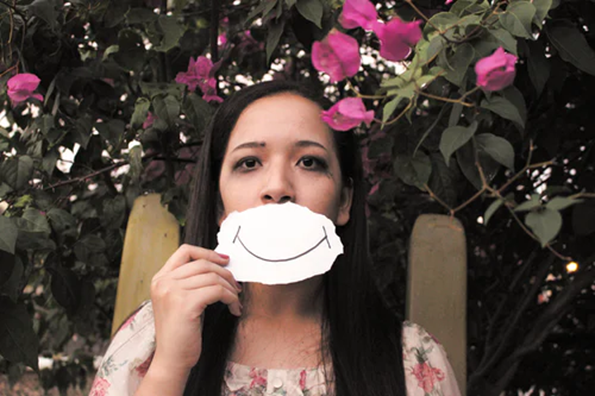
Depression is a disease. It is a problem with brain chemistry, not character. Someone can't force themselves to “snap out of it” any more than you can make asthma or a heart attack go away.
No one chooses to be depressed. Depression isn’t a sign of self-pity, weakness, or laziness. It is a medical condition in which your brain chemistry, function, and structure are negatively affected by environmental and biological factors.
MYTH #4: DEPRESSION WILL GET BETTER ON ITS OWN

Depression is a biological disease that requires treatment. The same way you would not expect someone with any other medical disease to just “wait it out” and hope things get better is the same way depression needs to be viewed.
Without proper treatment, depression can last for months or even years. It is next to impossible to recover from this illness on your own. Debunking the myths and stigma that surround mental illness is critical to allow individuals that are struggling to have the courage to seek help.
MYTH #5: IF YOU TAKE ANTIDEPRESSANTS, YOU WILL HAVE TO BE ON THEM FOR THE REST OF YOUR LIFE
Antidepressants provide a long-term treatment option for many people with depression. However, the length of time that you’re advised to take them can vary based on the severity of your depression and your prescribed treatment plan.
You may not need to take antidepressants for the rest of your life. In many cases, your doctor may prescribe psychotherapy along with medication. Therapy can help you learn new ways of coping with life challenges and may lessen your need for medication over time.
If you or a loved one may be suffering from depression, reach out to a mental health or medical professional as soon as possible. There is treatment for depression available, and by breaking the stigma through education, we are that much closer to creating a culture where it is that much easier to get help.
Rest and relaxation is a large piece of self-care needed to keep our mental health in check. The saying “you can’t help others unless you help yourself” is really true. We need to restore ourselves and fill our cups before we can take care of those around us. But for many “resting” can seem like a luxury or even uncomfortable. This post is a reminder of the many different ways we can “rest” and restore our mental wellbeing.
1. Physical
Physical rest can be as simple as getting adequate sleep. It can also mean taking a nap, engaging in yoga or even just taking a few deep breathes. Rest does not have a time requirement. Sometimes all we need is just 5 minutes to focus on our breath or do some stretching to re-center ourselves.
2. Mental
Mental rest is like first aide for your mind. This includes meditation- silent or guided your choice. It can also be listening to calming music or your favorite music. Mental rest can also be writing down or looking up some positive affirmations to keep your self in a good mental state.
3. Emotional
Emotional rest means to allow yourself to really explore and work through your emotions. You know by allowing yourself to feel, rather than bottling it up and pushing them aside. This could be by calling a friend, speaking with a therapist or attending a support group.
4. Social
A rest can also mean taking some time to be social. A social rest is when you let go of work and everyday chores and worries and going to someone who brightens your day. This can be a friend, mentor or non-stressful family member.
5. Creative
Creative rest is another way to take a mental break. For you creative people this is engaging in art, crochet, macramé, knitting, writing poetry and/or stories. For those who don’t identify as creative this can be reading, walking in nature or looking at artwork.
6. Sensory
A sensory rest means taking a break from the things causing us sensory over-load or anxiety. This can mean shutting your phone off or taking a break from watching the news.
7. Spiritual
Reconnecting with your spirituality is another form of taking a rest. This can be in the form of prayer, reading scripture or volunteering your time to help others.
If you feel you need more help to restore your mental wellbeing and start enjoying your life give our office a call. We'd love to help you.
Stay Shining,
I often hear form clients frustration about so many things beyond their control. Believe me, I am also frequently annoyed at things beyond my control. But knowing what things are within and out of our control can help us to feel more in control. Sounds strange but I promise it’s true.
What Happens When we Focus on Things Outside of Our Control?
When we get fixated on thing beyond our control such as: the behavior of others (i.e.bosses, colleagues, family, friends), thoughts and opinions of others, our limitations placed by physical or medical disabilities, (i.e. mobility issues, infertility concerns, loss of independence), or any other items out of our control it can make us feel really hopeless, anxious or even angry. These feelings usually lead to negative thoughts and behaviors. They very rarely help us feel at peace, at ease or happy. Looking at items within our control help us to feel more at peace, it gives us something to work towards to possibly change our situation and makes us feel more at ease. So here are some reminders of things within your control:
Your Actions
You can always control how YOU respond to others. So let’s say your friend continually is violating your boundaries (yes very annoying!) You are able to make it clear that they are violating a boundary, tell them how it makes you feel and if it continues remove this person from your circle. You are not in control of how they act but always how you respond. You are in control of your choice of words and your tone of voice. You are in control of the boundaries you set and whether or not you enforce those boundaries.
Your Schedule
You control what you do. Yes I do know you need to work and that those hours may be set, but you can always look for another job if that schedule is not what you want in your life. You decide who you see in your free time, what extra circulars you do and most importantly your routine. Creation of a routine is a great way to manage and regulate stress and anxiety, as when we know what to expect- we are less stressed and anxious.
Your Meals
What you put in your body effects how you feel. Eating healthy meals helps to decrease fatigue and increase our energy levels. Meal planning and prepping can be a pain- yes I know. But it is a good way to keep your physical-self (and your budget) healthy. It’s also great stress relief to cook food that you actually enjoy eating- and no Karen not all healthy meals taste bad.
Your Socialization
You control who is in your social circle. If you have toxic people who don’t’ make you feel good- you can weed them out of your life. Surrounding yourself with people that bring you up and motivate you is within your control. Yes plans may be cancelled by others- but you can always reschedule, call another friend or make another plan that you can look forward to. Socialization is key to positive mental health- click here to see why, and click here for tip on how to improve your social circle.
How Much Media You Consume
By media I mean news and social media. You are in control of what news channels you what and how much news you intake. Lately politics have everyone all stressed so if that’s you maybe cut back on how much your consuming? Same goes for social media. The comparisons are crazy now that everyone posts their “best lives” on social media platforms. If you find yourself constantly wishing you were more like Cindy on TikTok or wishing you had hair like Sue on Insta- you may want to start restricting that consumption. Also just remember people spend crazy time taking perfect photos and editing them to be even more perfect. Rarely do people post about their difficulties and hardships so try not to compare.
How Prepared you Are
You may not be able to avoid Covid-19 or giving that presentation at work via zoom but you are in control of your preparedness to handle those situations. Having a plan if someone gets sick can help you feel more in control. Same as being prepared for that big presentation will make it a bit easier to muddle through come the big day.
How Mindful You Are
Practicing mediation, guided imagery and yoga can be a great way to relax your nervous system and feel more at peace. It can help you feel more aware of your emotions and thus less likely to impulsively react on them.
What to do if you do not Feel in Control of The Categories Listed Above?
So if you feel like okay I may have control over some of that but I don’t have the motivation to do it right now, or it’s really hard for me to switch up when I am in that negative mindset- you may be struggling with anxiety or depression that is keeping you stuck in what I call “the hamster wheel”. Which is basically when even though your rational brain knows ruminating on this negative topic is not helpful and it is beyond your control- you just keep running on the wheel spinning the same thoughts over in your head no matter how hard you try. At that junction it may be best to speak with a trained therapist who can help you work on strategies to challenge those thoughts, get out of the loop, increase your coping skills and supports so that you can go back to enjoying your life.
Stay Shining,
It’s a known fact that our species are social beings. We evolved by living in communities relying on one-another to help us meet our daily needs like: food, child-care, shelter, safety, and of course emotional well being. Nowadays though, that sense of community seems to have dissipated in our individualistic society. Life get’s busy, we have to work, we have to pay our bills and socialization has become more of a luxury than a daily given. But it truly is essential for our emotional and mental well being to have a supportive network of friends and family to help us through tough times.
Socialization & Brain Chemistry
One of the most calming experiences can be to spend time with people who make you feel loved and understood. Face-to face interaction can counter act our body’s “fight or flight” response by releasing a slew of hormones that elevate our mood. When we socialize with those we love our brain releases “oxytocin” which is a lovely little chemical that boosts mood. Oxytocin is produced by a part of the brain which is instrumental in regulating many of the most basic and necessary physical rhythms of the body: sleep, hunger, thirst, and emotional reaction. Oxytocin has also been shown to be the driving factor in the triggering of another fabulous chemical “Dopamine”. Dopamine release signals feelings of pleasure and supports behaviors we need to survive- such as eating, drinking and procreating.
Socialization & Reduction of Dementia Risks
Building social networks and participating in social activities are like exercises for your brain because they keep your mind agile and improve cognitive function. In a California study published by the American Journal of Public Health, researchers reported that older women who managed large social networks reduced their risk of dementia by 26%. Furthermore, women who had daily contact with their individuals in their social circle cut their risk of dementia by almost half!
Socialization Effects on Depression & Anxiety
Close supportive relationships with friends, family and colleagues act as a buffer to hashes of the real world. They improve our feelings of self-worth, lower our symptoms of depression and anxiety and help us to feel accepted. When you have loved ones to lean on in times of stress and to fill your life with fulfilling activities, you are less likely to struggle with anxiety and depression related symptoms.
Socialization & Stress
Socializing is just a good way in general to take your mind off the stressors of life. Participating in social activities alleviates pressure, gives us something to look forward to on the hard days and take our mind off of stressors easier than when we do activities alone.
In Summation
Socialization is a basic NEED. We all need to feel loved and accepted by others. It fuels our brain chemistry; affecting our mood, diet, thought patterns and self-esteem. If you or a loved one need help in becoming more social due to struggling with mental health symptoms, we would be glad to help you get there. Contact our office to see how we can assist you in moving towards the life you want and deserve.
Stay Shining,
Long Island EMDR is proud to announce that Great Neck Library is hosting us for a free webinar for the public on depression in a pandemic! Our very own Alexandria Fairchild, LMSW will be presenting. The presentation will cover the following:
"Depression is a debilitating illness. Those who struggle with depression are familiar with the well-meaning advice from family and friends, however the lack of motivation and overall apathy toward life make it almost impossible to incorporate any of their suggestions. The COVID-19 pandemic has exasperated existing mental health challenges for many, with isolation, loneliness, inactivity, fear, and hopelessness becoming all too familiar. This presentation will give you valuable knowledge, insight, and most importantly, foster hope that there is a way out of depression for yourself and/or those you care about. "
How to Attend:
Download the Zoom app on your device or go to zoom.us/join and enter the meeting ID and passcode. You can also dial in at 1 (646) 558-8656.
zoom.us/j/93729687981?pwd=Nk9ja3Q2MURvV0kzY3JETVRWZTN0dz09
Meeting ID: 937 2968 7981 - Passcode: 514799
While depression and anxiety are two very separate mental health issues, they often go hand in hand with one another. They fuel one another: anxiety can lead to depression; depression can lead to anxiety. When these two play off one another it can feel debilitating for the individual struggling with these ailments. In this article we will look at how these conditions play on one another and how to get treatment for them.
Why Depression and Anxiety Go Hand in Hand
It has been estimated that about half the people struggling with either depression or anxiety have both conditions at the same time. For each person experiencing this the cause can be different. Some individuals struggle with both disorders simultaneously, others have one condition trigger the other. For example, if you are struggling with anxiety and worry is preventing you from completing needed tasks or being productive, this can easily lead to negative thoughts and feelings of hopelessness about your situation. In this instance, over tie your anxiety can lead to depression.
Here are some signs you may be suffering from both:
- Irrational fear and worry about the world around you
- Physical symptoms, such as headaches, fatigue, difficulty breathing and rapid heartbeat
- Insomnia and other troubles sleeping
- Loss of interest in activities you once enjoyed or those activities cause panic attacks
- Difficulty remembering things and making decisions
- Inability to relax, even under normal circumstances
- Panic attacks
Everyone experiences mental health concerns differently. If you are experiencing any of the above symptoms, it may be time to check in with your doctor and get help. Early intervention is the best way to ensure these concerns do not begin to interfere significantly with your every day functioning.
Anxiety and depression are both very treatable forms of mental illness. With medication, therapy, and other forms of intervention, you can overcome your symptoms and begin to feel like yourself again. Whether you struggle with depression, anxiety or both simultaneously, a qualified therapist can help you begin to regain your life. A therapist will help you to: identify symptoms, triggers, and learn healthy ways of coping. With time, practice and some self-exploration therapy can help you to begin to live a life that you enjoy living. If you need help, please feel free to contact our office for a consultation and more information on how we an assist you.
Keep Shining,
As parents we strive to keep our kids, safe, healthy and happy. We tire endlessly in this pursuit from the minute they’re born to when they leave the nest. From baby proofing, to being a personal chauffeur to their many activities; monitoring their online activity to trying to hide vegetables in their dinner- its a job that never does seem to end. Teen depression is a factor that can complicate our job even further.
Despite our best efforts to keep them safe, healthy and happy, it is increasingly difficult to protect our kids from mental health concerns like depression. According to the National Comorbidity Survey-Adolescent Supplement (NCS-A), depression affects roughly 11% of adolescents by age 18.
If you are unsure as to whether your own child may be suffering from depression, here are 6 signs to look for:
1. Intense and Frequent Mood Swings
All teens struggle with raging hormones that do make mood swings just par for the course when raising a teen. However, teens with depression experience mood swings on another level. They display more frequent and intense mood swings in and out of anger, sadness and irritability.
2. A Uncharacteristic Drop in Academics
A drop in grades or sudden apathy for school in general can be a sign that your teen is struggling with depression. Cutting classes, lateness or missing assignments can be a signal that something isn’t quite right. Especially, when your child was one that had been previously a pretty good student.
3. Changes in Social Behavior
Many teens isolate when they become depressed. They stop seeing friends, retreat to their rooms and stop talking so much about what’s going on in their day. Other kids who are depressed will have a change in social group, maybe with some peers that you may find questionable. To manage how they feel they may begin to engage in some self-destructive behavior. Changes in social behavior are another big sign that your teen may be struggling with depression.
4. A Loss of Interest in Their Favorite Activities
If your child has stopped engaging in some of the things you know they once really loved and enjoyed, it’s an indication that something is not right. Apathy and lack of interest are signs of depression. Yes some children do “grow out” of activities, be it sports, music or art. But if what they loved to do is not replaced by a new passion or hobby, it may be that they are really struggling to feel happy engaging in anything- even the things that used to bring them immense joy.
5. A Lack of Motivation
I know teens are generally not known for being super motivated. However teens with depression you will see a significant decrease in their motivation level. This may show up in school, in their desire to go to extra curricular activities, see friends, or comply with chores around the home.
6. A Family History of Depression
Depression can be genetic. So if you have a family history of depression, there is a chance that your teen will struggle with depression as well.
If you have noticed any of these signs in your teen, it is important to seek help. You can start with your school guidance counselor or pediatrician to get their feedback on if they think depression may be the cause.
Therapy can help teens to cope with their symptoms, learn their triggers and develop healthy ways of managing their emotions. If you are concerned for your teen’s safety or mental health, please contact us today.
Stay Shining,
In todays society I feel many people, especially the younger generations are just completely absorbed in technology. They stare mindlessly into their smart phones, I-pad, laptop etc. and unfortunately miss the beauty that surrounds them. It can be a very humbling and awe inspiring experience when you realize the vastness of nature that surrounds you; even in midst of heavily trafficked suburban areas or on your drive to work, nature is pervasive.
Making Nature Fun
Walking through your local parks, forests, etc. with your children and really looking around and enjoying the present moment yields a much different experience than that of what many experience in todays modern society. It promotes mindfulness, connectedness, togetherness and an appreciation for our earth. Getting your child away from the screens and bringing them through the trails of one of your local parks can be a great way to facilitate that connectivity between your surroundings and your family. To take it a step further, learning about the local plant life and the role it plays in your environment will not only deepen the bond that you and your child form with nature and your local habitat, but can also be a deeply satisfying and rewarding experience; soon enough your child may even be teaching you a few things. If just getting your little one away from paw patrol or bubble guppies and out into nature is enough of a task right now, that is perfectly fine. Maybe once out into the woods you create your own show (Pine Cone Patrol) that can only be experienced out in the wild (you would have to come up with the characters, character development, plot, illustrations, lighting, etc.; I can’t do everything).
Research on Benefits of Being in Nature
If the prospect of leaving the warm comfy couch cushions that have molded to the shapes of you and your little ones bodies is still too uncomfortable of a thought, listen up because there has actually been some very interesting research on the benefits of immersing oneself in nature and how it may benefit your overall health (I don’t think watching a few episodes of man vs. wild will have the same therapeutic effect).One such study conducted by Repke, Berry, Conway, Metcalf, Hensen and Phelan (2018) found that study participants who scored high on items determining their accessibility to nature (accessibility to nature measured as prevalence of parks or other pleasant natural features nearby, amount of time spent outdoors and how safe one feels being outdoors in the area they live) found that those that scored high on the accessibility to nature measure also showed statistically significant higher scores on mental health measures. Another interesting finding in this study is that those participants who had increased accessibility to nature also showed lower scores on a task that measured impulsivity in decision-making. More interesting yet, participants place of residence was also examined to assess their proximity to nature (natural land cover) in their area. Interestingly enough, it was found that geospatial proximity of the participants to nature had no significant effect on health measures or reducing impulsive decision-making.
These findings are interesting in that they may suggest that there is not so much a link between your proximity to nature and mental/physical health, but rather your relationship with the nature in your surrounding area is what positively impacts your health. Let’s be honest, we could all use some decreases in impulsivity and definitely decreases in stress! Knowing that simply exposing yourself to nature (No, not in that way!) can potentially provide these benefits for you and your child (did I mention it’s free…), why would you not take advantage of this? Go out there and hug a tree; connect with your children, your environment and become healthier in the process.
Stay Shining,
Reference:
Repke MA, Berry MS, Conway LG, III, Metcalf A, Hensen RM, Phelan C (2018) How does nature exposure make people healthier?: Evidence for the role of impulsivity and expanded space perception. PLoS ONE 13(8): e0202246. https:// doi.org/10.1371/journal.pone.0202246